
Heart Failure Symptoms in Women vs Men
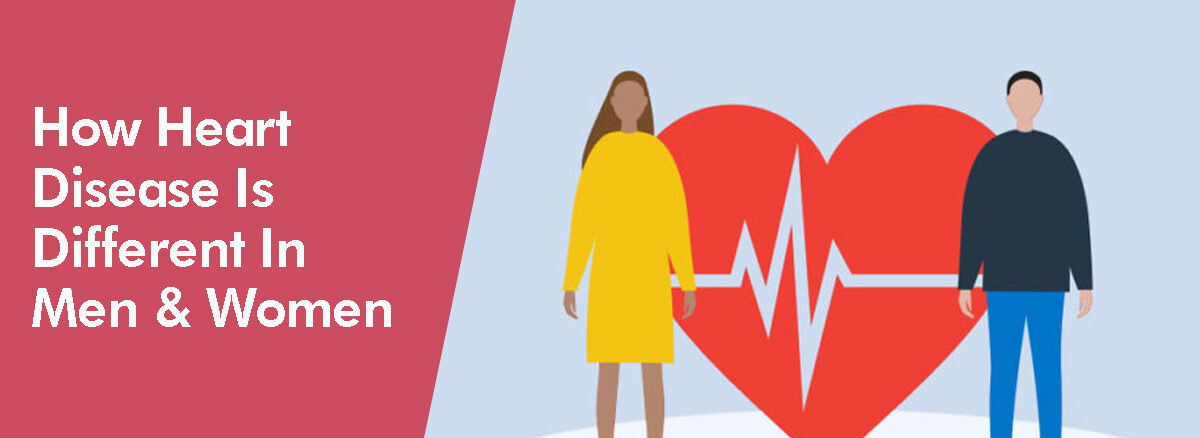
Cardiac wellness varies from person to person. While both men and women face the risk of heart failure, the way symptoms appear can differ. Recognizing these differences early can save lives. By learning the common symptoms of heart failure , you can take steps for better heart care and prevention.
Why Heart Failure Symptoms Differ
Men and women’s bodies respond differently to stress, hormones, and lifestyle. This means heart conditions often appear in unique ways. For example, women are more likely to experience subtle or “silent” signs, while men may notice more classic symptoms. These differences often delay diagnosis in women, leading to higher risk of developing heart failure.
Heart Failure Symptoms in Women
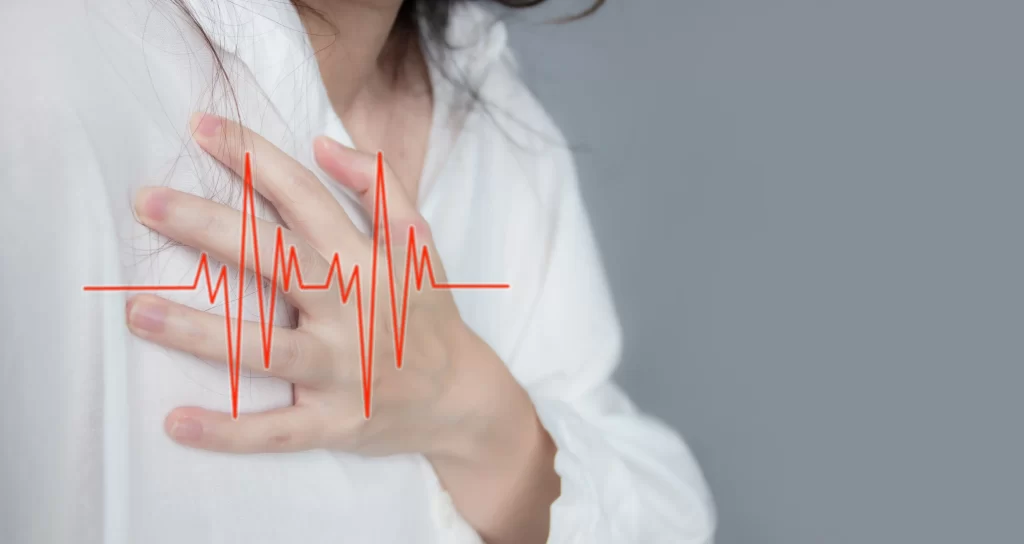
Women’s heart health is often misunderstood because their symptoms can be less obvious. Instead of sudden chest pain, women may feel:
• Unusual fatigue, even with small tasks
• Shortness of breath during routine activities
• Swelling in feet, ankles, or legs
• Sleep disturbances or waking up breathless
• Persistent cough or wheezing
• Digestive discomfort, such as nausea or loss of appetite
👉 These signs and symptoms are sometimes mistaken for stress, menopause, or digestive issues. This makes it vital for women to listen to their bodies and seek medical advice early.
Heart Failure Symptoms in Men
Men usually experience more recognizable signs of congestive heart failure. These include:
• Sudden or intense chest pain
• Rapid or irregular heartbeat
• Severe shortness of breath after physical activity
• Noticeable swelling in the lower body
• Reduced ability to exercise or perform daily tasks
• Dizziness or fainting spells
👉 Because men’s symptoms are often more visible, they are likely to receive faster diagnosis. But ignoring early warning signs can still lead to serious heart disease.

Key Differences to Watch Out For
- Subtle vs. Obvious: Women often show subtle, non-chest related symptoms. Men exhibit typical heart failure symptoms.
- Onset: Women’s symptoms progress slowly, while men may feel sudden discomfort.
- Diagnosis: Women are at higher risk of late diagnosis because their signs mimic other conditions.
Understanding these differences can help you spot red flags sooner and take timely action.
Why Early Detection Matters
Heart failure does not develop overnight. By the time severe symptoms appear, the condition may already be advanced. Whether it’s a woman experiencing fatigue or a man feeling chest tightness, early recognition and treatment are crucial.
This is where regular check-ups, lifestyle changes, and preventive screenings come in. If you notice any of these warning signs, consult a cardiologist immediately.
Prevention and Lifestyle Tips
While genetics and age play a role, lifestyle choices strongly influence heart health. Here are some universal steps:
- Maintain a heart-healthy diet rich in fruits, vegetables, and whole grains
- Stay active with regular exercise suited to your fitness level
- Monitor blood pressure, cholesterol, and sugar levels
- Quit smoking and limit alcohol intake
- Manage stress through relaxation and mindfulness techniques
- Get regular heart screenings, especially if you have a long term family history
When to See a Doctor
Do not wait for symptoms to worsen. If you or a loved one experiences persistent shortness of breath, unexplained fatigue, or swelling, consult a doctor. Early treatment not only improves quality of life but also lowers the risk of hospitalization.
👉 At Divine Heart Multispeciality Hospital, our cardiology department specializes in early detection and treatment of heart failure symptoms. With advanced diagnostic tools and expert care, we help patients manage heart conditions effectively.
Final Thoughts
Heart failure symptoms look different in women and men, but the danger is the same. Women may feel fatigue, sleep issues, and digestive discomfort, while men often notice chest pain, rapid heartbeat, and shortness of breath.
The key takeaway: never ignore the warning signs. With awareness, timely check-ups, and lifestyle changes, heart failure can be managed effectively.
👉 If you or a loved one are experiencing any of these symptoms, don’t delay medical attention. At Divine Heart Hospital, our expert cardiology team is here to provide advanced diagnosis, treatment, and preventive care.
📞 Contact us today to schedule a consultation and take the first step toward better heart health.